 VECROS- JETCORE Carrier Board ₹30,000.00
 Skydroid T10 Remote Control w/L DCAM R10 ₹15,499.00
 Amass XT60PW Male Connector ₹72.00
 Hobbywing X6 Plus 2480 CCW Propeller ₹1,499.00


Holybro Pixhawk Power Module PM02V3 12S
⚠️ Due to an increase in USD prices, product prices have changed. Order now to avail special discounts.
₹1,899.00 excl. GST
Available in stock
M.R.P.: ₹1,993.96 Incl. GST
Description
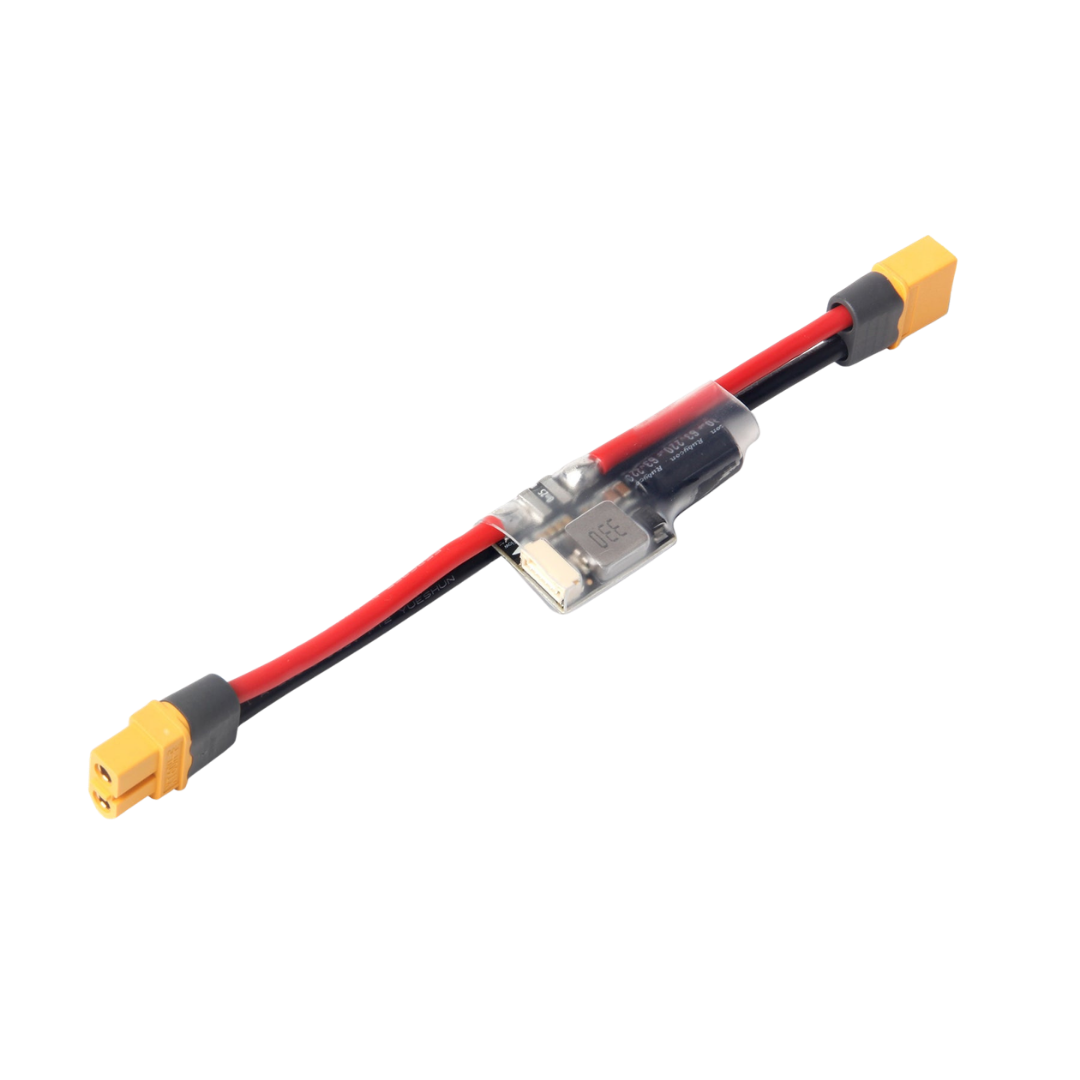
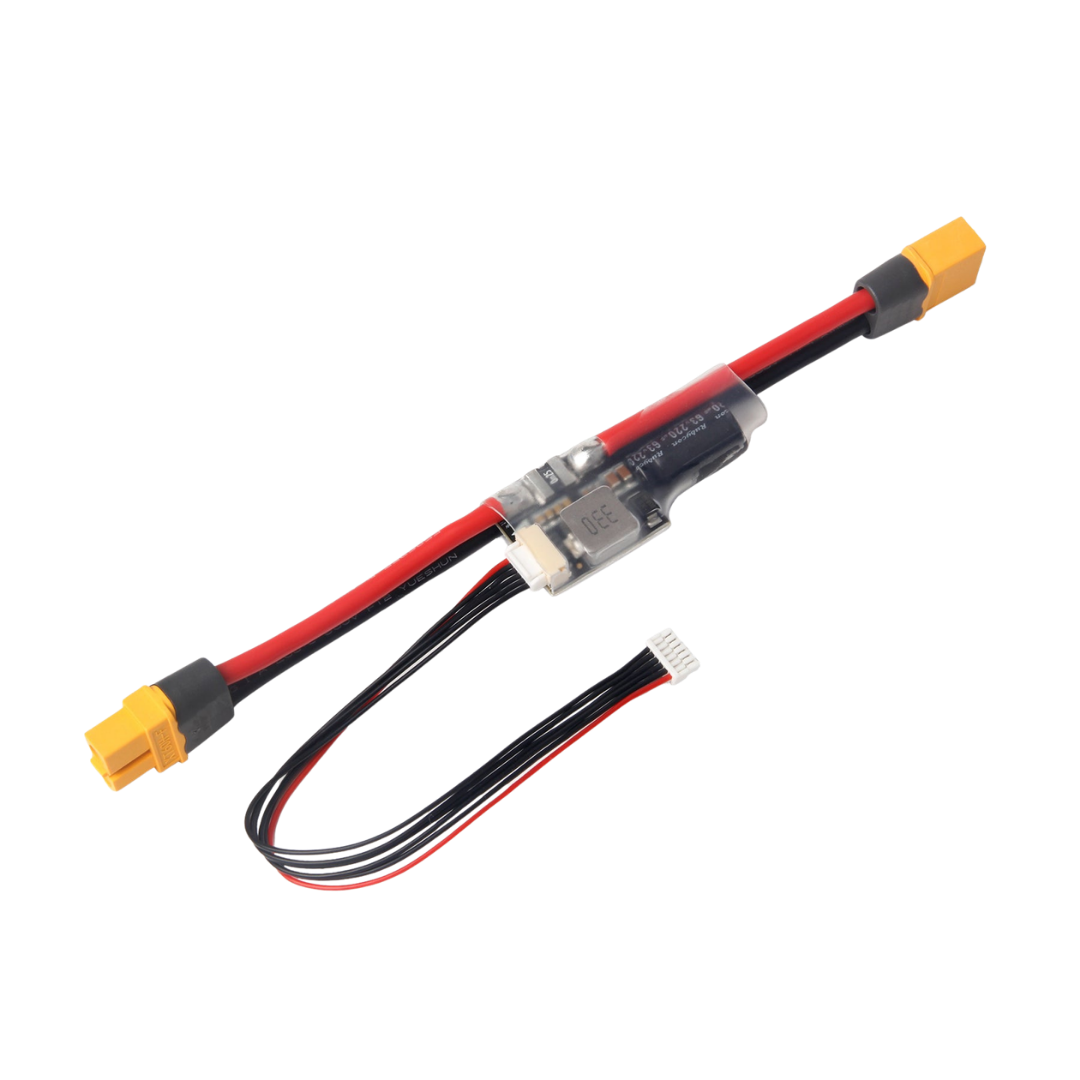
Holybro Pixhawk Power Module PM02V3 12S
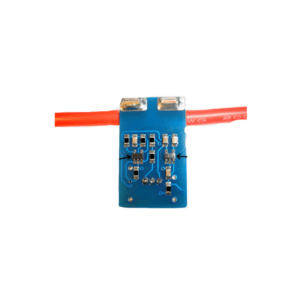
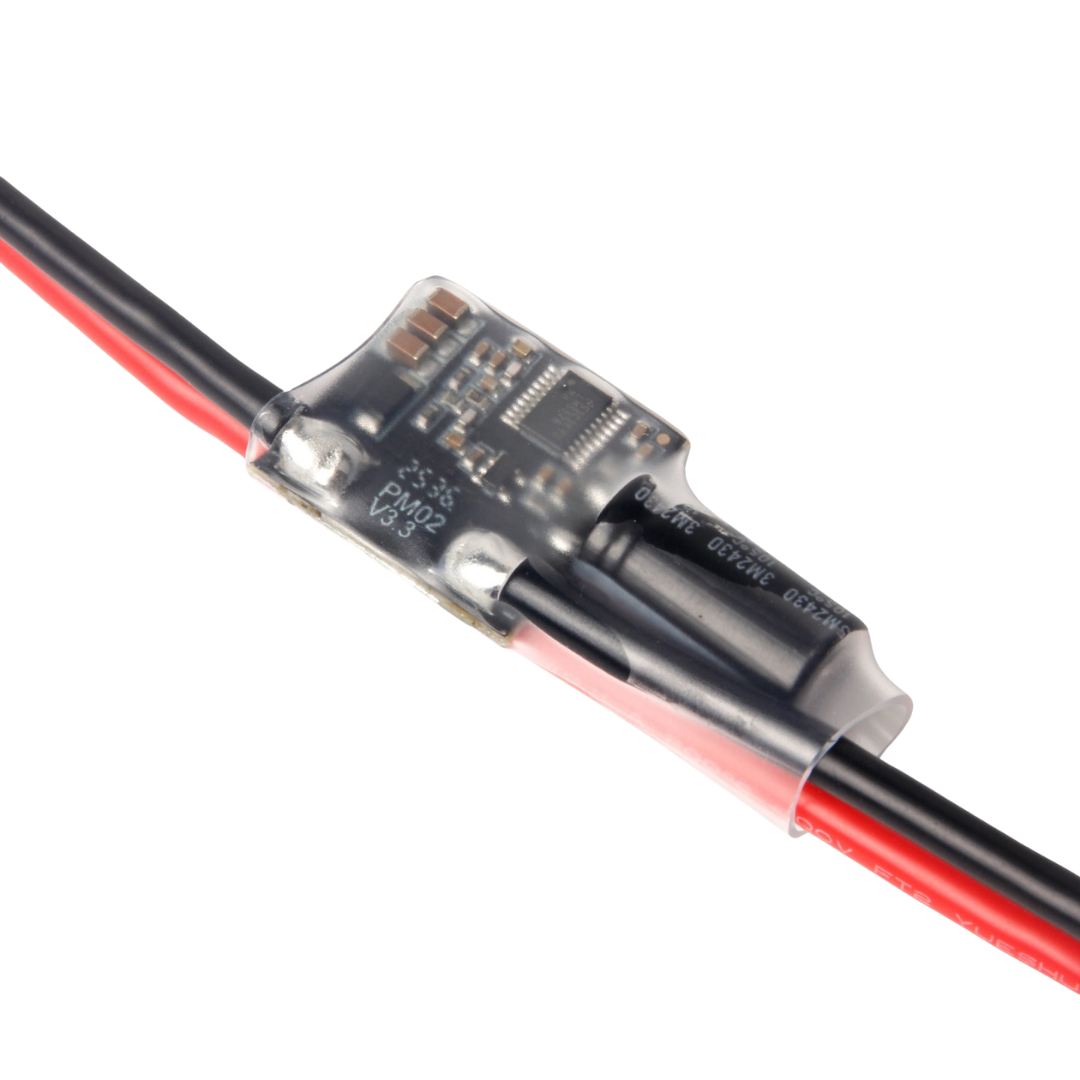
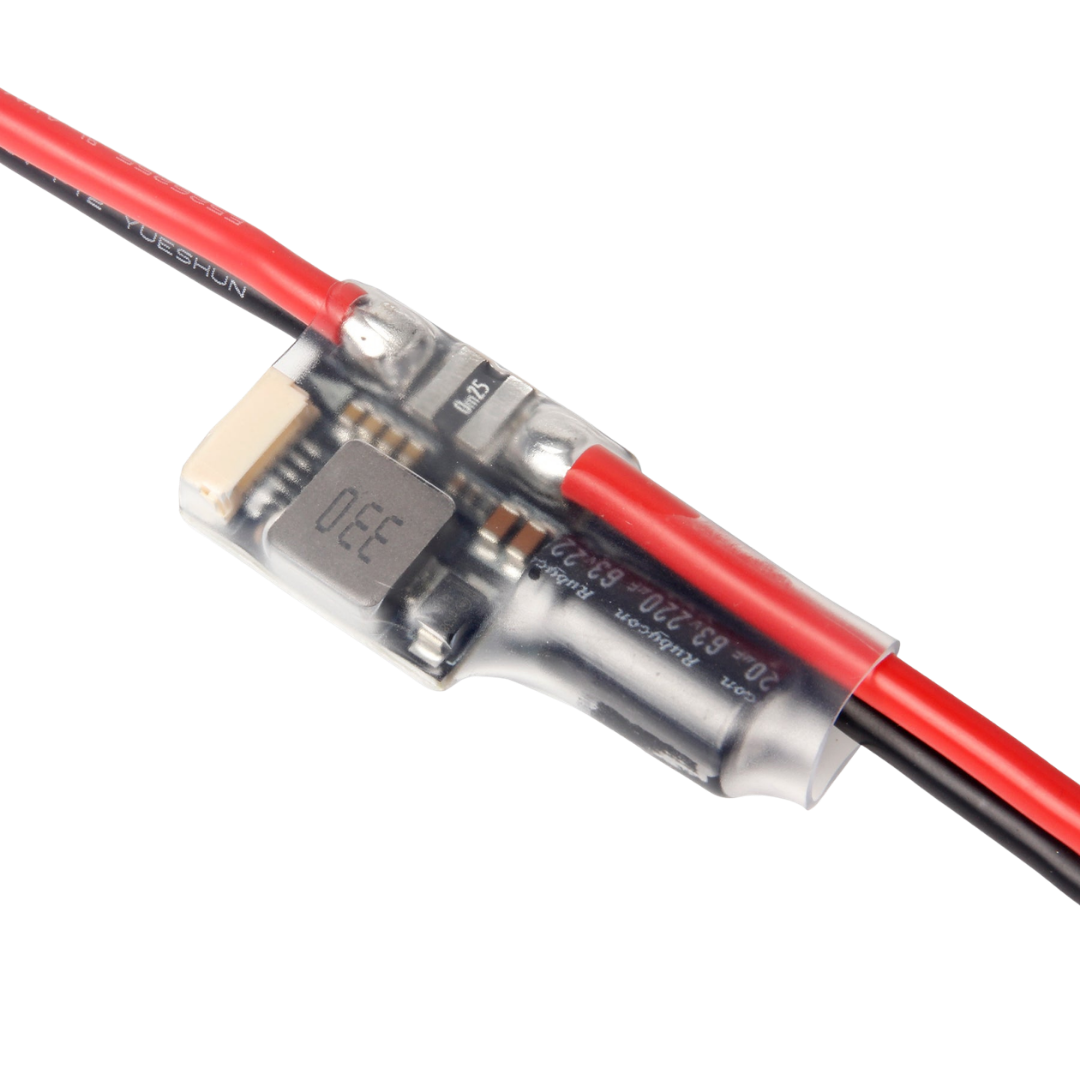
The Pixhawk Power Module PM02V3 12S is an essential power management tool. It provides a steady 5.2V supply to your flight controller. This module simplifies the wiring process for your drone build. It monitors both battery voltage and current consumption accurately. Data is sent via an analog signal for real-time tracking.
Furthermore, the module includes a 6-pin JST-GH cable for easy connection. It features pre-soldered wires and XT60 connectors for convenience. A high-quality capacitor is also pre-installed on the board. The PCBA is protected by durable heat shrink tubing. Consequently, this unit is ready for immediate use in your aircraft.
Key Features
The Pixhawk PM02V3 12S supports a wide range of battery inputs. It handles everything from 2S up to 12S LiPo packs. This makes it perfect for large-scale professional drones. Additionally, the PCB supports a continuous current rating of 60A. It can even handle bursts up to 100A safely.
Moreover, the current sensing capability reaches up to 120A. This allows for precise power monitoring during aggressive flights. The 5.2V output provides up to 3A of clean power. Thus, your flight controller remains stable throughout the mission. However, please note this version uses analog data output. It is not compatible with the Pixhawk 5X or 6X models.
Specifications and Performance
Performance is the main focus of the Pixhawk PM02V3 12S module. The voltage divider is set at a precise 18.182 ratio. It also offers an Amperes per Volt rating of 36.364. These values ensure your telemetry data is highly accurate.
In addition, the unit uses high-quality 12AWG silicone wires. These wires are flexible and handle heat very well. The compact design keeps the total weight at only 20g. Therefore, it does not impact your drone’s flight time significantly. It is a reliable choice for any Pixhawk-based system.
Applications
The Pixhawk PM02V3 12S is ideal for various unmanned aerial vehicles. It is commonly used in long-range multicopters and fixed-wing planes. Builders use it to power flight electronics and sensors. It also works well for DIY mapping and surveillance drones.
Additional Information
| Weight | 20 g |
|---|---|
| Dimensions | 3.5 × 2.5 × 1 cm |
| Unit of Measurement | Piece |
| Country of Origin | China |
| Manufacturer | Holybro |
| Manufacturer Address | 2nd Floor, Building A, Dahua Industrial Park, Shenzhen, China |